
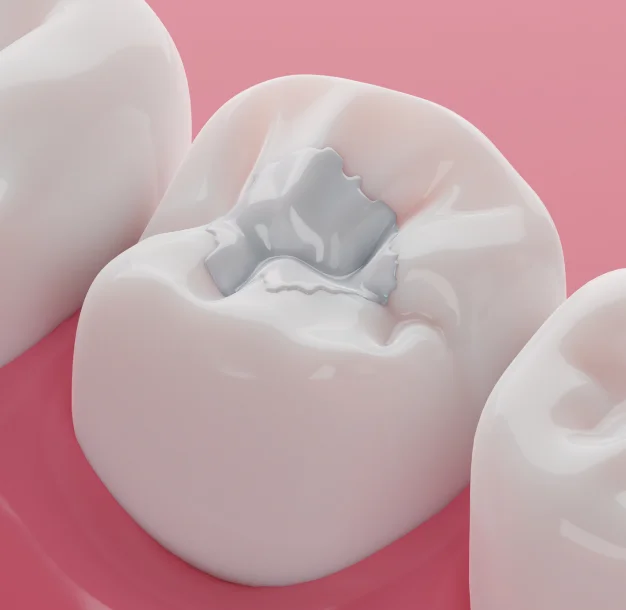
Restore Damaged Teeth With Natural-Looking Fillings
A cavity can gradually weaken a tooth when decay removes healthy enamel and dentin. Treating tooth decay early can help prevent the problem from becoming more extensive and may allow more of the natural tooth structure to be preserved. Composite fillings offer a practical way to repair areas affected by cavities while maintaining a natural-looking appearance.
Valley Family Dentistry provides composite fillings in Livermore, CA to restore teeth affected by decay and certain minor areas of damage. Tooth-colored composite material can be carefully matched to the surrounding teeth, allowing the completed restoration to blend with your smile. Our team will evaluate the affected tooth and explain the recommended treatment based on the extent and location of the damage.
Schedule a Filling ConsultationWhy Patients Choose Composite Fillings
Composite fillings offer a practical way to restore teeth affected by decay or minor damage while maintaining a natural-looking appearance. The tooth-colored material bonds with the tooth and can provide a conservative, convenient option for many patients.
- Tooth-colored composite resin can be shade matched to blend naturally with surrounding teeth.
- Made without mercury or metal, composite fillings provide a tooth-colored alternative to traditional amalgam.
- Bonds directly to the tooth, which may help preserve more natural tooth structure.
- Can repair cavities as well as certain chipped, cracked, or slightly worn areas.
- Most composite fillings can be completed during a single dental appointment without laboratory fabrication.
When Is a Composite Filling Recommended?
A composite filling may be recommended when a tooth has decay or minor damage that requires restorative treatment. Because early cavities do not always cause noticeable symptoms, regular dental examinations are important for identifying concerns before they progress. Signs that may warrant an evaluation include sensitivity to hot, cold, or sweet foods, persistent tooth discomfort, pain when biting or chewing, visible dark spots or holes, food repeatedly becoming trapped in one area, or a chipped section of a tooth.
Not every toothache, sensitivity, or discoloration means a filling is needed. A dental examination can help determine whether decay or another dental concern is causing your symptoms and whether a composite filling is an appropriate treatment option.
How We Help Restore a Tooth With Composite Filling
The filling process is designed to remove the affected portion of the tooth and rebuild the area with restorative material. At Valley Family Dentistry, our team will explain what to expect before treatment and answer any questions you may have.
Examine the Affected Tooth
The dental team evaluates the tooth and surrounding structures to determine the extent of decay or damage. Dental X-rays may be recommended when additional information is needed.
Prepare the Tooth
The affected area is carefully cleaned and prepared for restoration. Decayed tooth structure is removed while healthy tooth structure is preserved whenever possible.
Match the Composite Shade
For a tooth-colored restoration, the composite material can be selected to closely complement the natural shade of the tooth. This helps the completed filling blend into the smile.
Place the Composite Material
The composite resin is applied to the prepared area in layers. Each layer can be hardened using a curing light before additional material is placed.
Shape and Polish the Filling
The filling is shaped to match the tooth’s natural contours, then the bite is checked and the restoration is polished.
Caring for a Tooth After a Composite Filling
Taking care of your teeth after a composite filling can help protect the restoration and support your overall oral health. Brush twice daily with fluoride toothpaste and clean between your teeth each day using floss or another recommended tool. Limiting frequent consumption of sugary foods and drinks can also help reduce the risk of new decay around the restored tooth. Some patients may notice mild, temporary sensitivity after treatment, which typically improves with time.
If sensitivity persists, becomes more noticeable, or feels unusual, contact Valley Family Dentistry for an evaluation. Regular dental examinations and professional cleanings are also important after receiving a composite filling. During these visits, our team can monitor the restoration and surrounding tooth for signs of wear, new decay, leakage, or other changes that may require attention.
Protect Your Smile From Future Cavities
A cavity does not need to mean an obvious, dark filling for the rest of your smile’s life. Composite fillings offer a durable, natural looking solution that restores your tooth while keeping your smile looking exactly like you. If you have tooth sensitivity, discomfort, or a cavity that has been identified during an examination, our team can evaluate the tooth and discuss appropriate treatment. Call us at (925) 449-1141 to schedule an appointment.
Request an AppointmentFrequently Asked Questions About Composite Fillings
Composite fillings are tooth-colored dental restorations made from a resin-based material. They are used to repair teeth affected by cavities and may also be appropriate for certain minor areas of tooth damage. The material can be matched to the natural color of the tooth.
The lifespan of a composite filling varies based on its size, location, the amount of chewing force it experiences, oral hygiene, and other factors. Regular dental examinations allow the team to monitor the condition of the restoration and identify signs of wear or damage.
Composite fillings are commonly used to restore teeth affected by cavities. They can rebuild the affected portion of the tooth while providing a tooth-colored appearance. The appropriate restoration depends on the size, location, and condition of the tooth.
Yes. Composite resin can be matched to the natural shade of the tooth, allowing a properly placed filling to blend with the surrounding enamel. This makes composite fillings a popular option for restoring visible teeth.
The dental team can use appropriate methods to keep you comfortable during treatment. You may experience some temporary sensitivity after a filling, particularly when the tooth has had significant decay. Persistent or worsening discomfort should be evaluated by the dental team.
The appointment length depends on the number of teeth being treated and the size and location of each cavity. A straightforward composite filling can often be completed during a single visit, although the exact treatment time varies.
Composite material may be used to repair certain minor chips or areas of tooth damage. Whether a composite restoration is appropriate depends on the location and extent of the damage. An examination can help determine the most suitable treatment.
Continue brushing twice daily with fluoride toothpaste, clean between your teeth every day, limit frequent sugary foods and drinks, and maintain regular dental examinations and cleanings. These habits can help reduce the risk of new cavities and protect the tooth surrounding the filling.