Restore Missing Teeth With a Fixed Dental Bridge
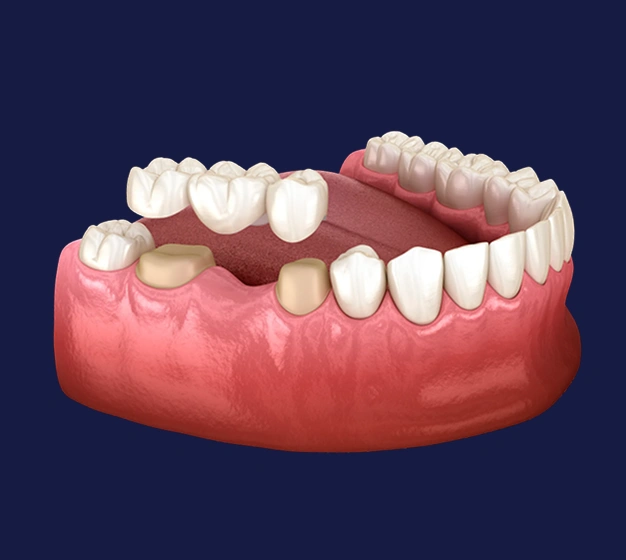
Missing teeth can affect more than the appearance of your smile. Gaps may make chewing more difficult, affect how nearby teeth come together, and allow surrounding teeth to shift over time. A fixed dental bridge can replace one or more missing teeth by using the surrounding teeth for support.
At Valley Family Dentistry, we provide fixed bridges designed to restore the appearance and function of your smile. Each bridge is planned according to the location of the missing tooth, the condition of the supporting teeth, your bite, and your overall oral health. Our team can explain whether a dental bridge is an appropriate tooth replacement option for your needs.
Schedule Your ConsultationBenefits of Fixed Dental Bridges
A fixed dental bridge can replace one or more missing teeth while helping restore everyday oral function and the appearance of your smile. Depending on your needs, a bridge may offer several benefits:
- Restores chewing function by filling the space left by a missing tooth.
- Completes the appearance of your smile by filling visible gaps with a natural-looking replacement tooth.
- Helps maintain the alignment of neighboring teeth by occupying the space created by a missing tooth.
- Supports normal speech by restoring the teeth involved in tongue placement and sound formation.
- Provides a secure, fixed tooth replacement that stays in place during everyday eating, speaking, and other activities.
How We Use CEREC Technology for Fixed Bridges
Valley Family Dentistry uses CEREC® technology to support the digital planning and design of certain fixed dental bridges. Digital imaging creates detailed information about the teeth and surrounding structures, helping the dental team plan a restoration designed to fit comfortably and function naturally within your smile.
For appropriate fixed bridge cases, CEREC® can be incorporated into the restorative workflow to help create a precise, customized restoration. The technology allows digital information to guide the design process, while the dental team evaluates the fit, function, and overall suitability of the bridge before placement. The dentist can explain whether CEREC® technology is appropriate for your specific treatment needs.
Designing and Placing Your Bridge
Getting a fixed bridge typically involves a short series of steps designed to create a precise, comfortable, and durable restoration. Here is what the process looks like.
Evaluate the Missing Tooth and Supporting Teeth
The dental team examines the area of the missing tooth and evaluates the surrounding teeth and gums. Dental X-rays or other diagnostic imaging may be recommended to assess the supporting structures.
Prepare the Supporting Teeth
When the treatment plan calls for a traditional fixed bridge, the supporting teeth may be carefully prepared to accommodate the restoration. The amount of preparation depends on the type of bridge and the condition of the teeth.
Capture Detailed Dental Records
Digital impressions or other dental records may be used to capture the shape and position of the teeth. These details help guide the design of the bridge and support an accurate fit.
Design and Create the Bridge
The dental bridge is created according to the treatment plan, including the size, shape, color, and position of the replacement tooth. The restoration is designed to work with the surrounding teeth and bite.
Check the Fit and Appearance
Before final placement, the bridge is evaluated for fit, comfort, appearance, and bite. Adjustments can be made when necessary to help ensure the restoration integrates properly with the surrounding teeth.
Secure the Fixed Bridge
Once the restoration has been evaluated and the fit is satisfactory, the bridge is permanently secured in place. The completed restoration is then checked to ensure it functions properly.
Who Is a Candidate for a Fixed Bridge?
Fixed bridges are typically recommended for patients missing one or more teeth in a row, as long as the teeth on either side of the gap are healthy and strong enough to support the bridge. Patients who prefer a fixed, non-removable solution over a partial denture, or who are not candidates for dental implants due to bone density or other factors, often find a bridge to be an effective alternative.
During your consultation, our team will evaluate the surrounding teeth and your overall oral health to determine whether a bridge is the right option or whether an implant may better suit your needs.
Restore Your Smile With a Fixed Bridge
Living with a gap from a missing tooth can affect more than your appearance, it can impact how you eat, speak, and feel about your smile. A fixed bridge offers a reliable, long term way to restore what was lost. If you have a missing tooth or an existing bridge that needs evaluation, our team can assess your oral health and discuss whether a fixed dental bridge may be appropriate. Call Valley Family Dentistry at (925) 449-1141 to schedule a consultation.
Request an AppointmentFrequently Asked Questions About Fixed Bridges
With proper care, a fixed bridge typically lasts between ten and fifteen years, and some can last even longer with consistent oral hygiene and regular checkups.
No. The abutment teeth are numbed before preparation, and most patients report the process feels similar to getting a dental crown.
A bridge anchors a replacement tooth to the natural teeth on either side of the gap, while an implant is surgically placed directly into the jawbone to support a replacement tooth independently.
In many cases, yes. Using CEREC technology, Dr. Hsiao can design and mill a custom bridge in office, often completing treatment in a single appointment.
A floss threader, water flosser, or specially designed bridge floss can help clean beneath the false tooth where regular floss cannot reach.
Decay in an abutment tooth can compromise the stability of the bridge, which is why regular checkups and proper hygiene around the bridge are important for its longevity.
Yes. Bridges are custom shaded and shaped to match your surrounding teeth, so they blend naturally with the rest of your smile.
Many PPO insurance plans provide partial coverage for dental bridges, though the amount varies by plan. Our team can help verify your specific benefits.