A Simple Step Toward Cavity Prevention
Dental sealants are a preventive treatment designed to protect the chewing surfaces of teeth that can be more difficult to clean thoroughly. Back teeth, especially molars and premolars, often have natural grooves and pits where food particles and plaque can collect. Even with regular brushing, these areas may be challenging to reach effectively.
At Valley Family Dentistry in Livermore, CA, dental sealants can provide an additional layer of protection against tooth decay. The treatment involves placing a thin protective coating over selected tooth surfaces to help keep bacteria and food particles from settling into deep grooves. Sealants are commonly considered for children and teenagers, but adults with cavity-prone teeth may also benefit.
Schedule a ConsultationHow Dental Sealants Help Protect Teeth
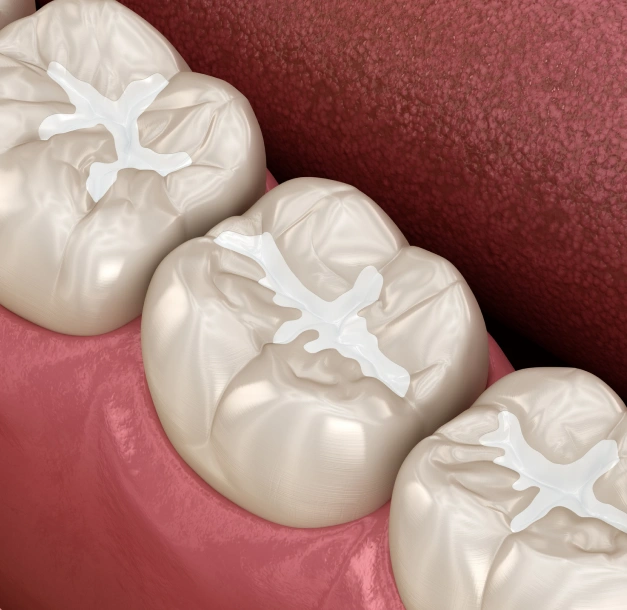
Dental sealants are part of a comprehensive preventive dentistry approach. Applied to the chewing surfaces of teeth, especially molars, sealants cover deep pits and grooves where plaque and food particles can collect. By creating a smoother protective surface, they make these areas easier to clean and help reduce exposure to cavity-causing bacteria and acids.
Sealants can help reduce the risk of decay in susceptible areas and help preserve healthy tooth structure. They do not replace regular brushing, flossing, or professional dental cleanings, but they work alongside these habits to provide added protection and support better long-term oral hygiene.
Who Can Benefit From Dental Sealants?
Dental sealants are often recommended for children and teenagers as their permanent molars and premolars develop. However, age alone does not determine whether sealants are appropriate. Adults may also be candidates when certain teeth have deep grooves or a history of decay.
Sealants may be considered for patients who:
- Have deep pits or grooves in their molars
- Have experienced cavities in the past
- Have newly erupted permanent molars
- Have difficulty cleaning the chewing surfaces of back teeth
- Are at increased risk for tooth decay
- Want additional preventive protection for healthy teeth
What to Expect During Dental Sealant Treatment
Dental sealant placement is generally a straightforward preventive procedure. The treatment does not typically require drilling or removal of healthy tooth structure. Valley Family Dentistry will first evaluate the tooth and then determine whether a sealant can provide useful protection.
Examine the Tooth
The dental team examines the selected tooth to make sure the surface is suitable for sealant placement. Any existing decay or other dental concerns can be addressed before preventive treatment is considered.
Clean the Tooth Surface
The tooth is thoroughly cleaned to remove plaque, food particles, and other debris from the chewing surface. Keeping the area clean helps the sealant bond properly to the tooth.
Prepare the Enamel
A conditioning solution may be applied to the chewing surface to prepare the enamel for the sealant. The area is then rinsed and kept appropriately dry during placement.
Apply the Sealant
The sealant material is carefully placed into the grooves and pits of the tooth. Because the material is designed to flow into these small spaces, it can cover areas that may otherwise be difficult to reach with a toothbrush.
Harden and Check the Sealant
A curing light may be used to harden the sealant. Once set, the dental team checks the treated surface and bite to make sure the sealant is properly positioned.
Maintaining Teeth After Sealant Placement
Dental sealants can provide long-term protection, but they are not a substitute for daily oral hygiene. Brushing twice a day with fluoride toothpaste, cleaning between teeth, limiting frequent sugary snacks, and maintaining regular dental visits remain important for cavity prevention. Drinking water regularly and choosing tooth-friendly foods can also support a healthier oral environment and help protect the surrounding tooth surfaces that are not covered by sealants.
Sealants can wear over time through normal chewing, particularly on teeth that experience frequent pressure during eating. During routine dental examinations, the treated teeth can be checked to make sure the sealants remain intact and continue to provide coverage. If a sealant becomes worn, chipped, or damaged, the dental team can determine whether it should be repaired or replaced. Regular monitoring helps ensure the protective coating continues to support your overall preventive dental care.
Protect Cavity-Prone Teeth Before Decay Starts
Dental sealants offer a simple, preventive way to protect teeth that are more vulnerable to cavities. By covering deep grooves and pits on the chewing surfaces, they help prevent food particles and bacteria from collecting in areas that can be difficult to clean with regular brushing.
If you or your child may benefit from added protection against tooth decay, our team can evaluate your teeth and discuss whether sealants are appropriate. Call us at (925) 449-1141 to learn more or schedule a dental visit at Valley Family Dentistry in Livermore, CA.
Request a ConsultationFrequently Asked Questions About Dental Sealants
Dental sealants are thin protective coatings placed over the chewing surfaces of certain teeth, most commonly molars and premolars. They cover deep grooves and pits where plaque and food particles can collect, helping reduce the risk of tooth decay.
Dental sealants create a protective barrier over susceptible areas of a tooth. By covering deep grooves and pits, sealants can make it more difficult for food particles and cavity-causing bacteria to collect in those areas.
No. Although dental sealants are commonly used for children and teenagers with newly erupted permanent molars, adults may also benefit. Sealants may be considered when adult teeth have deep grooves, are difficult to clean, or are more susceptible to cavities.
Dental sealants are a commonly used preventive dental treatment. The dental team evaluates the condition of the tooth and determines whether a sealant is appropriate before treatment. Any questions about the material or procedure can be discussed during the appointment.
Dental sealant placement is generally a comfortable procedure because it does not typically require drilling or removing healthy tooth structure. The tooth is cleaned and prepared before the sealant is applied and hardened.
Dental sealants can remain effective for several years, although their longevity varies depending on factors such as chewing forces, oral habits, and the condition of the sealant. Regular dental examinations allow the team to check for wear or areas that may need attention.
Sealants are primarily intended to protect teeth that are suitable for preventive treatment. If a tooth already has significant decay, it may require restorative care instead. The dental team will examine the tooth and recommend the appropriate treatment.
Yes. Dental sealants provide additional protection but do not replace daily oral hygiene. Brushing twice a day with fluoride toothpaste, cleaning between teeth, limiting frequent sugary foods and drinks, and maintaining regular dental visits remain important for preventing cavities.