
Rebuild Your Smile With Dental Implants
Missing teeth can affect more than the appearance of your smile. Tooth loss may make chewing difficult, impact speech, and allow nearby teeth to shift into the open space. Dental implants provide a tooth replacement option designed to replace the visible tooth as well as support lost tooth structure below the gumline.
At Valley Family Dentistry, we provide implant-focused restorative care to help patients explore options for replacing missing teeth. Our team will evaluate your oral health, jawbone support, gum condition, bite, and treatment goals before recommending an appropriate implant restoration
Schedule a Dental Implant ConsultationTypes of Dental Implant Restorations
Dental implants can be used to support different types of tooth replacement restorations. The appropriate option depends on how many teeth are missing and the condition of the surrounding oral structures.
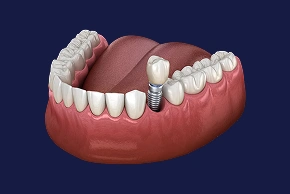
Single-Tooth Dental Implants
A single dental implant can support an individual crown when one tooth is missing. This option replaces the missing tooth without requiring the neighboring teeth to support a traditional bridge.
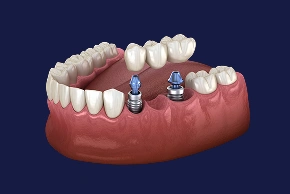
Implant-Supported Bridges
An implant-supported bridge can replace several missing teeth in a row. The bridge is supported by dental implants rather than relying only on natural teeth next to the gap.
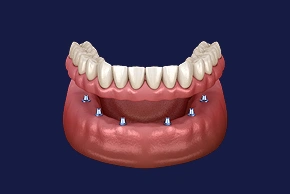
Implant-Supported Dentures
Dental implants can also provide support for certain removable or fixed denture designs. Implant support may help improve stability for patients who have lost several or all teeth.
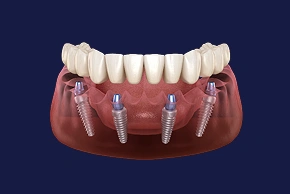
Full-Arch Implant Restorations
Patients with extensive tooth loss may be evaluated for a full-arch implant restoration. This treatment involves replacing an entire arch of teeth using a restoration supported by strategically placed implants.
How CEREC Technology Supports Implant Restorations
Valley Family Dentistry uses CEREC® technology as part of its restorative dental care, combining digital imaging, computer-aided design, and in-office milling to create certain custom restorations. While CEREC® does not place dental implants or replace the surgical portion of implant treatment, it may support the restorative stage when an implant-supported crown or compatible restoration is being planned. Digital imaging and computer-assisted design can provide detailed information about the treatment area and help guide the design of a restoration.
When clinically appropriate, CEREC® technology may support the creation of a custom ceramic restoration designed to complement the surrounding teeth. During your consultation, the dental team can explain whether CEREC® may be incorporated into your implant restoration plan. The type of implant, restoration material, and treatment workflow will depend on your individual needs and clinical evaluation.
What to Expect During Dental Implant Treatment
Dental implant treatment is completed in stages. The timeline depends on the number of missing teeth, the condition of the jawbone, the need for preparatory treatment, and the type of restoration being planned.
Complete a Comprehensive Evaluation
The dental team examines your teeth, gums, bite, and the area affected by tooth loss. Digital X-rays or other imaging may be recommended to evaluate bone levels and surrounding structures.
Develop Your Implant Treatment Plan
Your treatment plan is based on the number of missing teeth, available bone support, aesthetic goals, and desired type of restoration. The team will explain the anticipated stages and discuss any necessary preparatory care.
Prepare the Treatment Area
If needed, treatment may be recommended before implant placement. This can include addressing gum disease, removing a damaged tooth, treating infection, or evaluating whether bone grafting is necessary.
Place the Dental Implant
The implant is placed into the jawbone according to the treatment plan. The implant acts as a foundation for the future crown, bridge, or denture.
Allow Time for Healing
The implant needs time to integrate with the surrounding bone. This healing period allows the implant to develop the stability needed to support the final restoration.
Attach the Implant Restoration
After healing and once the implant is ready to support the restoration, a custom crown, bridge, or denture is attached. The restoration is designed to provide a comfortable fit and natural appearance.
Check Your Bite and Comfort
The completed restoration is evaluated for fit, function, appearance, and bite. Any necessary adjustments are made to help ensure comfortable everyday use.
Caring for Dental Implants and Implant Restorations
Dental implants and implant restorations require consistent daily care to support long-term oral health. Brush twice daily with fluoride toothpaste and carefully clean around the implant restoration and gumline. Cleaning between teeth is also important because plaque and food particles can accumulate around the restoration. Depending on the type of implant restoration, your dental team may recommend floss threaders, interdental brushes, water flossers, or other specialized cleaning tools. They can explain which methods are most appropriate for your specific restoration.
Avoid biting hard objects or using your teeth to open packages, as excessive force can damage an implant restoration. Contact us if you notice movement, persistent soreness or swelling, bleeding around the implant, bite changes, restoration damage, difficulty chewing, or ongoing discomfort. Regular dental examinations allow the team to monitor the implant, restoration, gums, and surrounding teeth and identify concerns early.
Rebuild Your Smile With Personalized Dental Implant Care
A dental implant offers more than a replacement tooth, it restores the full structure and function that was lost, protecting your jawbone and your smile for years to come. If you have one or more missing teeth, an unstable denture, or difficulty chewing, our team can evaluate your oral health and discuss whether dental implants may be appropriate for your needs. Call us at (925) 449-1141 to schedule a dental implant consultation.
Request an AppointmentFrequently Asked Questions About Dental Implants
Dental implants are small posts placed into the jawbone to support replacement teeth. Once the implant has healed, it may support a dental crown, bridge, or denture designed to replace missing teeth and restore oral function.
Adults who have lost one or more teeth may be candidates for dental implants if they have suitable gum health, adequate bone support, and overall health that allows for treatment. An examination and dental imaging are needed to determine candidacy.
The treatment timeline varies depending on the number of implants, bone health, need for preparatory treatment, and type of restoration. Some patients may need several months for healing and implant integration before the final restoration is placed.
Dental implant placement is performed with appropriate anesthesia to help manage discomfort during treatment. Some soreness, swelling, or sensitivity may occur afterward. The dental team will provide aftercare instructions to support recovery.
Yes. A single dental implant can support an individual crown designed to replace one missing tooth. This approach can restore the appearance and function of the missing tooth while avoiding the need to use neighboring teeth as bridge supports.
Yes. Dental implants can support certain removable or fixed denture designs. Implant support may improve stability and function for patients who have lost several or all teeth.
CEREC® technology does not place dental implants. However, it may support the restorative stage of treatment when a suitable implant-supported crown or another compatible restoration is being created. The dental team can determine whether CEREC® is appropriate for your case.
Care for dental implants includes brushing twice daily, cleaning between teeth and around the implant restoration, avoiding excessive biting forces, and maintaining regular dental examinations. Contact Valley Family Dentistry if you notice movement, swelling, bleeding, discomfort, or restoration damage.