Deep Cleaning for Healthier Gums
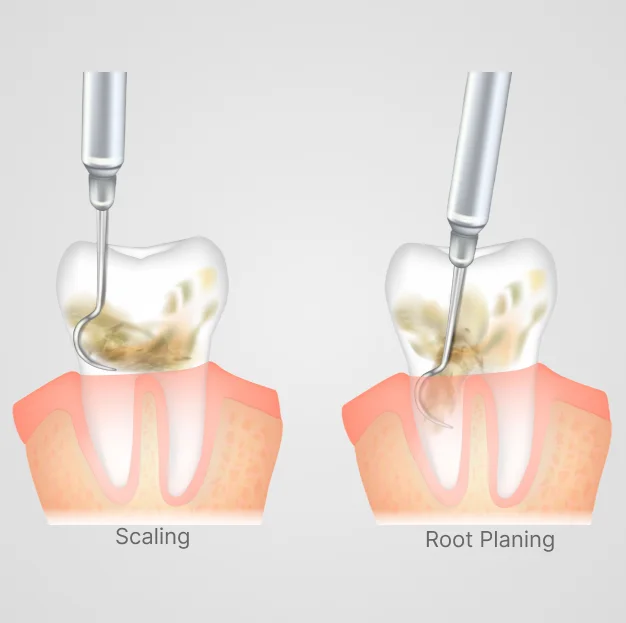
Scaling and root planing is a nonsurgical periodontal treatment used to treat gum disease when plaque and tartar have accumulated below the gumline. Also called a deep dental cleaning, the treatment goes beyond a routine cleaning by addressing buildup around the tooth roots and within periodontal pockets.
At Valley Family Dentistry in Livermore, CA, scaling and root planing may be recommended when gum disease has progressed beyond early gingivitis. Removing plaque, tartar, and bacterial toxins from areas that cannot be adequately cleaned with regular brushing and flossing can help reduce inflammation and create healthier conditions for the gums to heal. Unlike a routine dental cleaning, scaling and root planing focuses specifically on the areas affected by periodontal disease.
Schedule a Periodontal EvaluationWhen Is Scaling and Root Planing Recommended?
Scaling and root planing is generally considered when gum disease has advanced enough for bacteria, plaque, and tartar to accumulate below the gumline. Signs that may indicate the need for periodontal treatment include bleeding or swollen gums, persistent bad breath, gum recession, periodontal pockets, or changes in the stability of the teeth.
An evaluation at Valley Family Dentistry can help determine whether a deep cleaning is appropriate or whether another level of periodontal care is needed.
What Scaling and Root Planing Can Do for Your Gum Health
Scaling and root planing is designed to address the causes and effects of bacterial buildup associated with periodontal disease. Treatment can provide several important benefits when recommended as part of an individualized periodontal care plan.
- Removes Tartar Below the Gumline: Dental tartar, also called calculus, cannot be removed effectively with a toothbrush or floss. Scaling uses specialized dental instruments to remove hardened deposits from the teeth, including areas below the gumline.
- Cleans Periodontal Pockets: As gum disease progresses, the space between the gums and teeth can become deeper. These periodontal pockets can collect bacteria and make everyday cleaning more difficult. Deep cleaning targets these areas to help control the infection.
- Smooths Tooth Root Surfaces: Root planing removes deposits and bacterial toxins from the root surfaces and smooths rough areas where bacteria can accumulate. A cleaner, smoother root surface can provide healthier conditions for the gums to heal.
- Helps Control Gum Inflammation: Removing bacterial irritants and hardened tartar can help reduce the inflammation associated with periodontal disease. The gums can then begin responding to treatment and improved oral hygiene.
- Helps Protect Supporting Structures: Untreated periodontal disease can affect the tissues and bone supporting the teeth. Addressing the infection and buildup responsible for ongoing irritation is an important part of periodontal care.
What Happens During Scaling & Root Planing
Scaling and root planing is performed systematically to clean the areas affected by periodontal disease. Valley Family Dentistry‘s periodontal treatment information describes treatment being performed one section, or quadrant, of the mouth at a time while the area is numb.
Evaluate Your Gum Health
Treatment begins with an assessment of your gums and the supporting tissues around your teeth. This helps identify areas affected by periodontal disease and determine whether scaling and root planing is appropriate.
Numb the Treatment Area
The affected area is numbed before deep cleaning begins. This helps make treatment more comfortable while allowing the dental team to thoroughly access areas below the gumline.
Remove Plaque and Tartar
Specialized instruments are used to remove hardened tartar, plaque, and bacterial buildup from the teeth. Scaling focuses on deposits both above and below the gumline, particularly in areas affected by periodontal pockets.
Clean and Smooth the Root Surfaces
Root planing focuses on the tooth roots. Rough areas are carefully smoothed after deposits and bacterial toxins have been removed. This creates a cleaner surface for the gum tissue to heal around the tooth.
Allow the Gums to Heal
Once the irritants have been removed, the gums can begin healing. As inflammation decreases, periodontal pockets may become smaller and easier to keep clean with consistent oral hygiene.
Continue With Periodontal Care
Deep cleaning is not a substitute for ongoing oral hygiene. Brushing, flossing, regular dental visits, and any recommended periodontal maintenance are important for controlling plaque and reducing the likelihood of gum disease progressing again.
Maintaining Your Results After Scaling and Root Planing
Good home care becomes especially important after periodontal treatment. Even after plaque and tartar have been professionally removed, bacteria can accumulate again if plaque is not consistently controlled. Brush your teeth regularly and clean between your teeth every day. Follow any personalized oral hygiene recommendations from Valley Family Dentistry, and maintain your recommended dental appointments so changes in gum health can be identified early.
Depending on the condition of your gums and how they respond to treatment, additional periodontal care may be recommended. If periodontal pockets remain unhealthy after scaling and root planing, further treatment or a referral to a periodontist may be appropriate.
Take the Next Step Toward Healthier Gums
Bleeding gums, persistent bad breath, gum recession, or deep periodontal pockets can indicate that more than a routine dental cleaning is needed. Valley Family Dentistry in Livermore, CA, can evaluate your gum health and determine whether scaling and root planing is appropriate for your periodontal condition.
Schedule a ConsultationFrequently Asked Questions About Scaling & Root Planing
Scaling and root planing is a nonsurgical deep dental cleaning used to treat periodontal disease. Scaling removes plaque and tartar from the teeth, including areas below the gumline, while root planing cleans and smooths the tooth root surfaces.
Yes. Scaling and root planing is commonly called a deep dental cleaning or periodontal deep cleaning. Unlike a routine cleaning, it focuses on plaque, tartar, and bacterial buildup beneath the gumline and inside periodontal pockets.
Scaling and root planing may be recommended when gum disease has progressed beyond early gingivitis and bacteria or tartar have accumulated below the gumline. Valley Family Dentistry evaluates the condition of your gums before determining whether periodontal deep cleaning is appropriate.
The treatment area is typically numbed before scaling and root planing is performed. Valley Family Dentistry‘s periodontal treatment approach involves treating the mouth one section, or quadrant, at a time while the area is numb.
Treatment time varies according to the amount of periodontal disease present and the number of areas requiring treatment. Valley Family Dentistry may perform scaling and root planing one section of the mouth at a time rather than treating the entire mouth during a single appointment.
After deep cleaning, the gums need time to heal. Continued brushing, flossing, and professional dental care are important for controlling plaque. Valley Family Dentistry may also recommend additional periodontal care depending on how your gums respond to treatment.
Scaling and root planing can effectively address the plaque, tartar, and bacterial buildup contributing to periodontal disease, but maintaining gum health requires ongoing care. Regular oral hygiene and periodontal monitoring are important for managing gum disease over the long term.
Consistent brushing, daily cleaning between the teeth, regular professional dental care, and following personalized periodontal recommendations can help control plaque and support healthier gums. Valley Family Dentistry can recommend an appropriate maintenance schedule based on your individual gum health.