Losing a tooth can feel like something you can deal with later.
You may think, “It doesn’t hurt anymore,” or “I’ll replace it when I have more time.” For many Livermore families, work, school, family responsibilities, and everyday life can make a missing tooth easy to put on the back burner.
But leaving a missing tooth untreated isn’t always as harmless as it seems.
A missing tooth can affect how you chew, how your remaining teeth come together, and the bone and gum tissue around the space. In some situations, delaying dental implants may mean additional treatment is needed before a replacement tooth can be placed.
Here’s what you should know if you’ve been putting off replacing a missing tooth.
Why Does a Missing Tooth Matter?
Your teeth aren’t designed to function independently. They work together as a system when you chew, speak, and bite.
When one tooth disappears, the surrounding structures no longer experience the same forces they did before.
Research has associated tooth loss with changes in the alveolar bone, the bone that supports your teeth. After an extraction, the bone in the area can remodel and decrease over time. The extent of these changes varies from person to person and depends on factors such as the tooth’s location and individual healing.
That’s one reason replacing a missing tooth isn’t simply about improving your smile.
5 Concerns With Waiting Too Long
| What may happen | Why it matters |
| Bone remodeling | The jawbone around an empty tooth socket can change after tooth loss |
| Neighboring teeth may shift | Nearby teeth can move into the space, potentially affecting your bite |
| Chewing may become less comfortable | You may naturally favor one side of your mouth |
| Your smile may change | Missing teeth can affect the appearance of your smile and facial profile |
| Treatment may become more complicated | Some patients may need additional procedures if there isn’t enough bone for implant placement |
These changes aren’t guaranteed to happen to everyone, and they don’t occur on an identical timeline. That’s why an individual dental examination matters.
1. Your Jawbone Can Change After Tooth Loss
One of the biggest concerns with postponing tooth replacement is bone remodeling.
When a natural tooth is lost, the bone that previously supported that tooth is no longer receiving the same stimulation. Research shows that substantial dimensional changes can occur in the extraction area, particularly during the first several months after tooth removal.
This doesn’t mean everyone who waits will automatically experience severe bone loss.
However, if you’ve had a missing tooth for a long time, your dentist may need to evaluate the amount and quality of available bone before planning dental implants.
2. Your Remaining Teeth May Feel the Difference
That empty space doesn’t exist in isolation.
Your surrounding teeth continue to absorb the forces created by everyday chewing. Depending on the location of the missing tooth and your bite, the balance of those forces can change.
A missing tooth can also make certain foods harder or less comfortable to chew.
If you’ve started avoiding one side of your mouth when eating, that’s worth mentioning to your dentist.
3. Your Treatment Options May Become More Involved
Here’s something many patients don’t realize: delaying treatment doesn’t necessarily mean you lose the opportunity for dental implants.
But the condition of your mouth can change over time.
If there isn’t enough suitable bone in the area, additional treatment may sometimes be considered before implant placement. The American Dental Association notes that bone and supporting tissues are important considerations when treating tooth loss.
Your dentist may recommend imaging to evaluate the area and determine which tooth-replacement option makes sense for you.
4. A Missing Tooth Can Affect More Than Appearance
It’s easy to think of tooth replacement as a cosmetic decision.
But teeth play an important role in chewing and speaking, too.
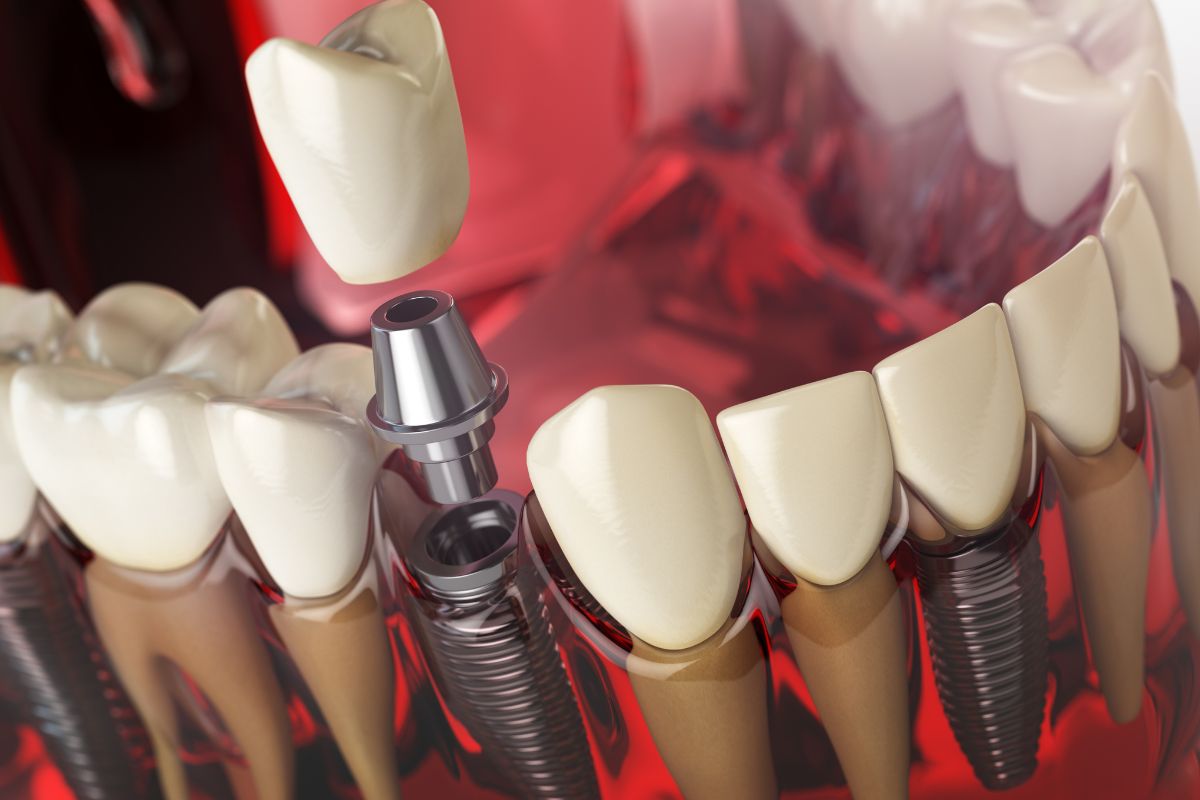
That’s why dental implants are one of the tooth-replacement options dentists may discuss with patients who have lost individual teeth. An implant-supported restoration is designed to replace the missing tooth while providing a stable foundation for the replacement crown.
The right solution depends on your oral health, remaining teeth, bone condition, medical history, and personal goals.
5. Waiting Doesn’t Always Make the Decision Easier
Maybe you’re worried about discomfort.
Maybe you’re concerned about the cost.
Maybe you simply don’t want another dental appointment.
Those concerns are completely understandable. But putting off an evaluation means you don’t yet know what your options are—or whether your situation could be addressed more simply now.
At Valley Family Dentistry in Livermore, Dr. Jason Hsiao and the team provide restorative and implant dentistry, including traditional dental implants and All-on-X implant treatment. The practice serves Livermore and surrounding communities.
The first step isn’t necessarily getting an implant.
The first step is finding out what’s happening in the area where the tooth is missing.
Dental Implants vs. Other Tooth-Replacement Options
There isn’t one solution that works for every patient.
| Option | General approach | May be considered for |
| Dental implant | Implant-supported replacement | One or more missing teeth |
| Dental bridge | Replacement tooth supported by neighboring teeth | Certain single-tooth gaps |
| Denture | Removable replacement teeth | Multiple or complete tooth loss |
| All-on-X implants | Implant-supported full-arch restoration | Certain patients with extensive tooth loss |
Your dentist can evaluate your situation and explain which options are appropriate.
Frequently Asked Questions
1. Is it too late to get dental implants after having a missing tooth for years?
Not necessarily. Many factors determine whether someone is a candidate for an implant, including bone availability, gum health, overall oral health, and the condition of nearby teeth. An examination and appropriate imaging can help determine your options.
2. Can waiting cause bone loss?
Bone remodeling after tooth loss is well documented, and the amount of change varies by patient and location. Significant bone changes can occur during the months following tooth extraction.
3. What happens if I don’t replace a missing tooth?
The effects vary from person to person. A missing tooth can affect chewing and may be associated with changes in the surrounding bone and remaining teeth. Your dentist can evaluate whether leaving the space untreated is appropriate for your particular situation.
4. Are dental implants better than dentures or bridges?
Each option has different benefits, limitations, costs, and maintenance requirements. The appropriate choice depends on your oral health and individual circumstances rather than one treatment being universally better.
5. Can I get dental implants in Livermore?
Valley Family Dentistry in Livermore offers implant dentistry, including traditional dental implants and All-on-X dental implants. The practice can evaluate your tooth loss and discuss appropriate treatment options.
Don’t Wait for the Problem to Get Worse
If you’ve been living with a missing tooth for months or even years, don’t assume it’s too late.
At the same time, don’t assume that dental implants are automatically the answer. A comprehensive evaluation is the best way to understand your bone levels, gum health, remaining teeth, bite, and available treatment options.
For Livermore patients considering tooth replacement, Valley Family Dentistry offers implant dentistry as part of its restorative dental services.
A missing tooth may not hurt today—but that doesn’t mean it should be ignored.