A toothache can be easy to dismiss. You might take a pain reliever, avoid chewing on one side, or hope the discomfort disappears on its own. But sometimes, tooth pain is your body’s way of telling you that something deeper is wrong.
When the soft tissue inside a tooth becomes inflamed or infected, root canal therapy may be recommended to remove the damaged tissue, clean the inside of the tooth, and help preserve the natural tooth.
The tricky part? Not every infected or damaged tooth causes severe pain.
If you’re experiencing unusual tooth sensitivity, swelling, or recurring discomfort, knowing the warning signs can help you seek treatment before the problem becomes more complicated.
What Is Root Canal Therapy?
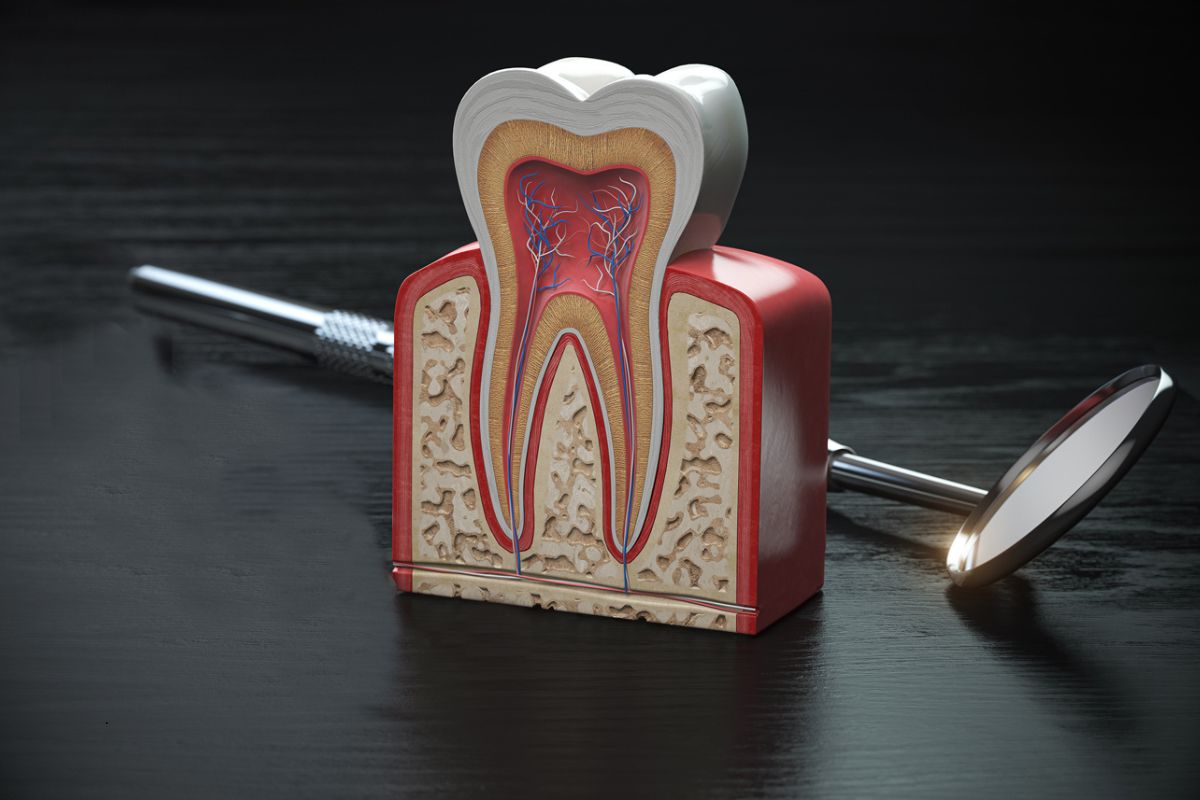
Inside every healthy tooth is a soft area called the pulp. It contains nerves and blood vessels. Deep decay, cracks, repeated dental procedures, or an injury can damage this tissue and allow bacteria to cause an infection.
Root canal therapy treats the inside of the affected tooth rather than removing the tooth entirely. During treatment, the dentist removes the damaged pulp, cleans and disinfects the canals, and seals the tooth.
For many patients, the goal is straightforward: save the natural tooth whenever possible.
6 Signs You May Need a Root Canal
1. Persistent or Severe Tooth Pain
Pain that doesn’t go away—or keeps returning—shouldn’t be ignored.
You may notice a dull ache, throbbing pain, or discomfort that becomes worse when you’re trying to sleep. Persistent pain can have several causes, but when the pulp inside a tooth is inflamed or infected, root canal therapy may be one of the treatments your dentist considers.
The important thing is not to diagnose yourself based on pain alone. A dental examination can help identify what’s actually causing the problem.
2. Sensitivity to Hot or Cold That Lingers
Does your tooth hurt when you drink coffee, eat ice cream, or sip something cold?
Temporary sensitivity can occur for many reasons. However, if the discomfort is intense or lingers after the hot or cold food or drink is gone, it deserves attention.
Deep decay or damage to the tooth’s pulp can sometimes cause prolonged sensitivity. Your dentist may recommend root canal therapy if the pulp is irreversibly inflamed or infected.
3. Pain When You Bite or Chew
A tooth that hurts when you bite down may be sending an important warning.
Pain during chewing can be associated with decay, a cracked tooth, problems with an existing restoration, or inflammation around the tooth’s root.
Rather than simply chewing on the opposite side and hoping the problem disappears, schedule an evaluation. If the pulp is significantly damaged, root canal therapy may help treat the underlying problem while preserving the tooth.
4. Swollen or Tender Gums Near One Tooth
Take a close look at your gums.
Swelling, tenderness, or a small pimple-like bump near a tooth can sometimes indicate an infection. An abscess can develop when bacteria reach the pulp and spread into the surrounding tissues.
Not every swollen gum requires root canal therapy, but swelling combined with tooth pain, sensitivity, or a bad taste in your mouth warrants prompt dental attention.
5. A Darkened or Discolored Tooth
Have you noticed that one tooth looks darker than the teeth around it?
A tooth can become discolored for several reasons, including trauma and changes within the tooth. In some cases, discoloration may indicate damage to the pulp.
Your dentist will need to examine the tooth and determine the cause before recommending treatment. If the pulp has been severely damaged, root canal therapy may be part of the treatment plan.
6. A Toothache That Suddenly Stops
This one can be especially confusing.
You may have experienced significant tooth pain for several days, only for it to suddenly disappear. It can feel like the problem has resolved—but that’s not necessarily what happened.
In some cases, severe pulp damage can cause the tooth’s nerve tissue to die, which may reduce the pain. However, infection can still remain and potentially spread beyond the tooth.
That’s why a sudden improvement after significant tooth pain isn’t always a reason to cancel your dental appointment. Your dentist can determine whether root canal therapy or another treatment is appropriate.
Root Canal Therapy vs. Removing the Tooth
If a tooth is badly infected, patients sometimes assume extraction is the only option. That’s not always the case.
When a tooth can be predictably restored, treating the infection and preserving the natural tooth may be possible.
| Root Canal Therapy | Tooth Extraction |
| Treats infection inside the tooth | Removes the affected tooth |
| Preserves the natural tooth | Leaves a space that may need replacement |
| Can restore normal chewing function | May require an implant, bridge, or other replacement |
| Often followed by a crown for added protection | Additional treatment may be needed to replace the tooth |
The right choice depends on the condition of the tooth, the amount of remaining healthy structure, your overall oral health, and your dentist’s evaluation.
Does Root Canal Therapy Hurt?
This is one of the biggest concerns patients have.
Modern dental techniques and local anesthesia are designed to keep patients comfortable during treatment. The procedure itself is performed after the area has been numbed.
You may experience some tenderness afterward, particularly if the tooth was already inflamed or infected, but your dentist can explain what to expect and how to manage normal post-treatment discomfort.
In many cases, treating the source of a painful infection can ultimately provide relief rather than cause pain.
When Should You See a Dentist?
Don’t wait until tooth pain becomes unbearable.
Contact your dentist if you experience:
- Persistent tooth pain
- Lingering hot or cold sensitivity
- Pain when biting
- Swelling around a tooth
- A darkened tooth
- A recurring bad taste or drainage
- A toothache that suddenly disappears after severe pain
Severe swelling, difficulty breathing or swallowing, or swelling that is spreading can require urgent medical attention.
Frequently Asked Questions
1. How do I know if I need a root canal?
Common warning signs include persistent tooth pain, lingering sensitivity to hot or cold, pain when chewing, swelling around a tooth, discoloration, or a recurring toothache. Only a dental examination can determine whether you need root canal therapy.
2. Can a tooth infection go away by itself?
A dental infection generally requires professional treatment. Symptoms may temporarily change or disappear, but that doesn’t necessarily mean the underlying problem is gone.
3. Is root canal therapy better than extraction?
When a tooth can be successfully restored, preserving the natural tooth may have advantages. However, extraction can sometimes be necessary when a tooth is too damaged to save. Your dentist can explain the options based on your specific condition.
4. How long does root canal treatment take?
Treatment time varies depending on the tooth and the complexity of the case. Your dentist can provide a more specific estimate after examining the tooth.
5. Can I prevent needing a root canal?
You can’t prevent every dental injury or problem, but good oral hygiene, regular dental visits, protective care for teeth at risk of injury, and treating decay early can reduce the likelihood of serious tooth damage.
Protecting Your Natural Smile
The best way to avoid complicated dental problems is to address smaller concerns early.
Regular dental exams, professional cleanings, daily brushing and flossing, and prompt attention to unusual symptoms can all help protect your teeth. If a tooth has already developed significant decay, trauma, or infection, your dentist can discuss whether root canal therapy is appropriate.
For families in Livermore, Valley Family Dentistry provides restorative dental care, including root canal treatment, with the goal of helping patients maintain healthy, functional smiles.
If your tooth has been hurting, don’t simply wait for the pain to disappear. A timely dental evaluation may help identify the problem and give you more options for protecting your natural tooth.